Rebuilding a Fragmented Content Ecosystem into a Scalable Source of Truth
At Oracle, I led the transformation of a fragmented internal content ecosystem into a unified source of truth used by over 500 writers.
Guidance was spread across nine locations and three formats, with some content outdated by years, leading to poor findability, duplication, and low trust. Some content teams even maintained their own local guidance. The system lacked a clear ownership and governance model, making it difficult to scale or maintain consistency.
User-centered discovery
I grounded my strategy in user behavior by conducting user research:
Surveyed writers across teams to understand what content writers most relied on, then used their priorities to inform the roadmap.
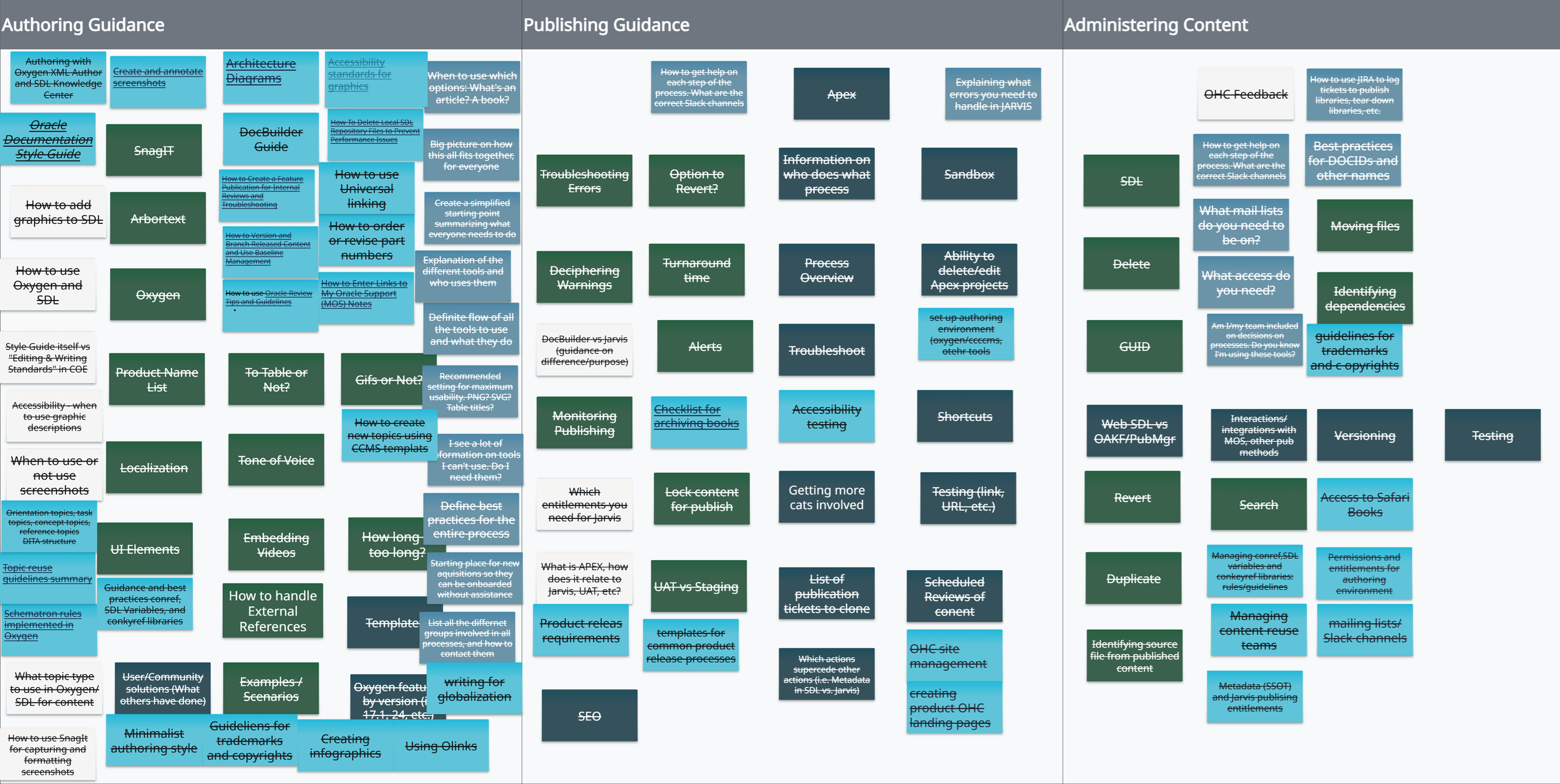
Ran card sorting exercises to understand how writers categorized internal guidance, then used those patterns to inform the navigation structure.
Partnered with support teams to identify knowledge gaps, so that high-priority needs could be addressed in the initial site rollout.
CARD SORT
Phased rollout
As a team, we released the content that writers most needed in the initial rollout, while linking into existing content, providing a single entry point and comprehensive view into the guidance.
Contributors joined the effort in subsequent phases as the team continuously updated and expanded the guidance.
Information architecture redesign
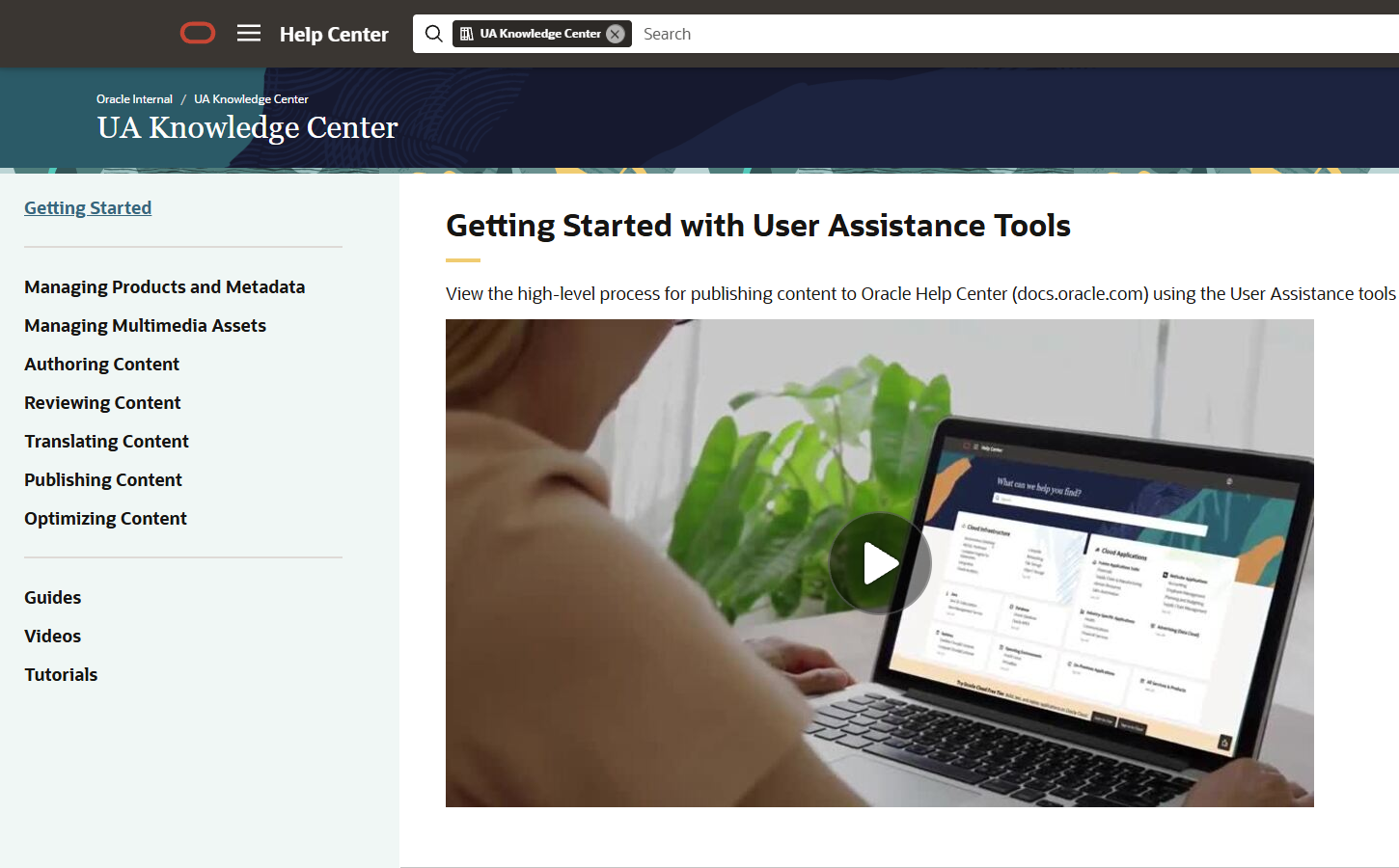
Based on the research, I reorganized the portal from ~30 system-based categories into 7 workflow-based ones—from content creation to publishing, reducing the time writers spent searching for answers from minutes to seconds.
BEFORE
Accessibility
Architecture Center
Article publishing
Books
Content Pages
Editing and writing standards
Graphics
Instructional design
Javadocs
Learning paths
Linking
Lockdown
Markdown Authoring
MOOCs
OCI ONSR - Oracle National Security Regions
OHC Feedback
OHC Learn
Online help
Oracle Digital Assistant
Oracle Learning Library
Oracle Review
OU curriculum
Oxygen Authoring/SDL
REST API
Search
Self-publishing
Self-studies and simulations
Tutorials
Translations
AFTER
Scalable content operations model
To keep the ecosystem consistent, sustainable, and easy to evolve, I established a content operations framework and distributed contribution model. I implemented the site using the same tools as writers and designed it as an example for writers to follow in their own work.
Content framework
I developed the entire content framework and associated governance from scratch:
Established the content strategy, information architecture, and content models.
Defined governance standards, ownership, and maintenance responsibilities.
Developed flexible page templates for product pages on the site.
Community contribution model
Our team didn’t have the bandwidth to rewrite and maintain the guidance on our own, so I recruited writers across the product teams to contribute in areas where they had expertise or interest:
Reduced the maintenance burden on the product management team.
Encouraged broader adoption by giving writers a stake in the content.
Strengthened cross-team collaboration to support long-term sustainability.
Model of best practices
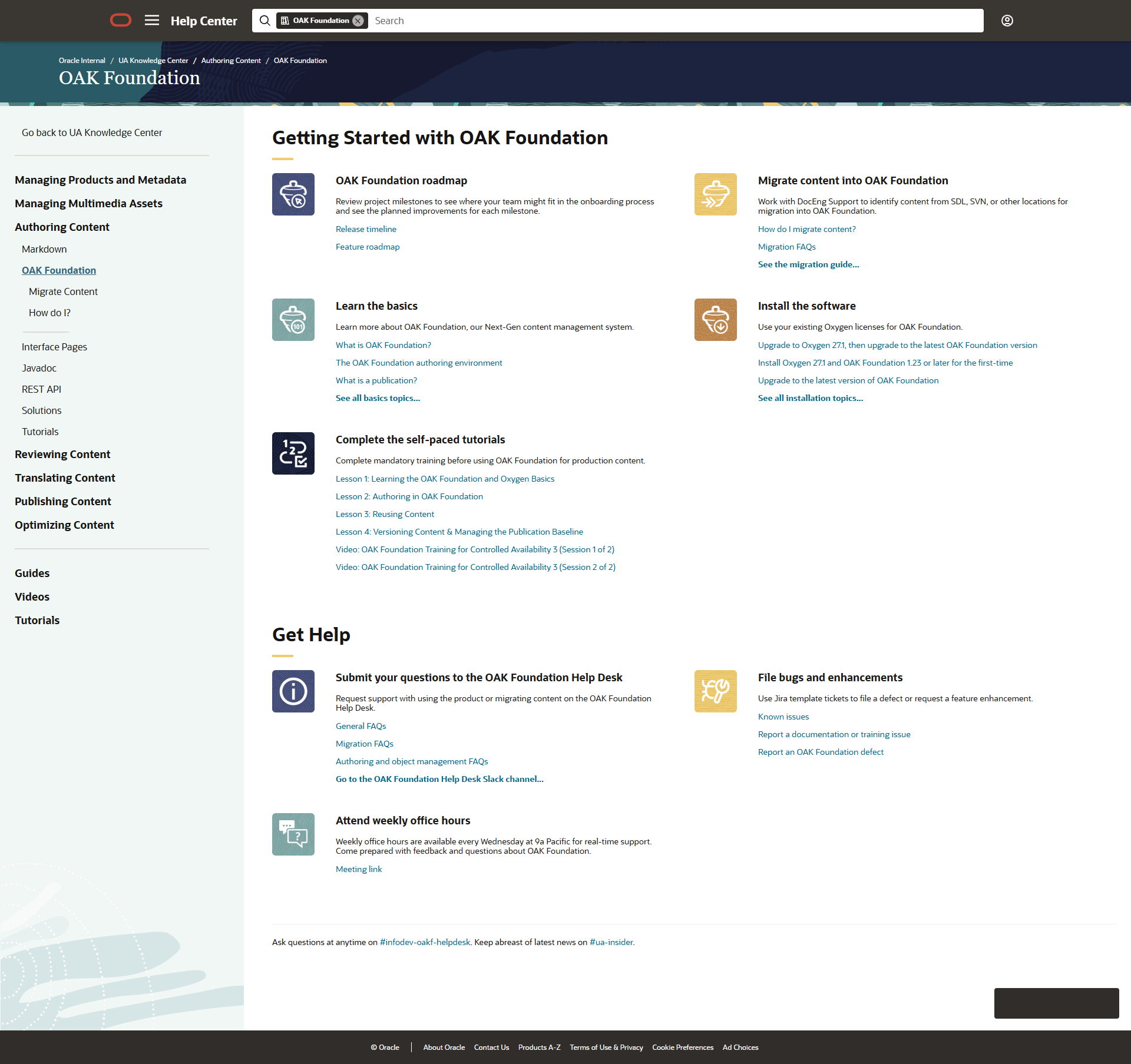
The new guidance portal was developed to serve as a gold standard model for writers to follow when developing their own product pages and product documentation.
Created a unique brand for the site using the same brand guidance as the external docs portal.
Created a brand new internal site using the same tool used to create product pages on the external.
PRODUCT PAGE EXAMPLE
Results
The new content ecosystem significantly improved findability, consistency, and long-term sustainability while reducing the operational overhead of maintaining guidance. Based on user feedback and operational observations, the initiative achieved these estimated outcomes:
Reduced the time-to-answer from minutes to seconds.
Reduced support requests by an estimated 12% as writers became more self-sufficient.
Established consistent navigation and content models, making guidance easier to find, understand, and use.
Significantly reduced duplicate and conflicting guidance across teams by establishing a centralized source of truth.
Established a scalable, community-driven governance model that enabled ongoing maintenance without additional headcount.